Focal Shockwave is a non-invasive brain stimulation therapy that uses gentle, focused ultrasound pulses to stimulate specific areas of the brain involved in movement, memory, thinking, and coordination.
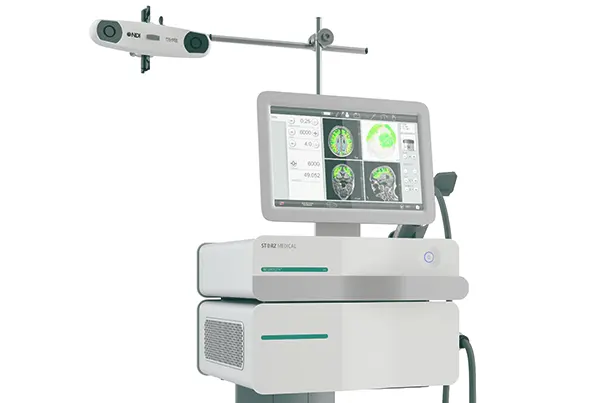
During Focal Shockwave:
A handheld device delivers short, low-intensity ultrasound pulses
These pulses pass safely through the skull
These pulses stimulate brain cells and supporting networks
Targeted brain cells are gently activated
This encourages healthier signalling and connectivity between brain regions
Enhance neuroplasticity (the brain’s ability to adapt and reorganise)
Improve blood flow and cellular metabolism
Support healthier signalling between neurons
Activate under-performing brain networks

Most patients describe Focal Shockwave as:
Sessions usually last 20–30 minutes, and you can return to normal activities immediately afterward.
There is no sedation, no downtime, and no recovery period.
TPS is not a cure, but it may help improve symptoms and function by supporting brain network health.
It is commonly used to support people with:
Improvements are often gradual, building over a series of sessions as the brain adapts.
Research suggests Focal Shockwave may:
This is why TPS is often delivered as a program of sessions, rather than a one-off treatment.
Focal Shockwave is usually delivered as a course of sessions, often over several weeks.
Why repetition matters:
Your plan is adjusted based on:
Yes. When delivered by trained clinicians, Focal Shockwave has an excellent safety profile.
Key safety features:
Some people may notice mild scalp sensitivity or temporary fatigue after early sessions, which usually settles quickly.
We use Focal Shockwave because it:
Focal Shockwave is often part of a combined neuromodulation program, carefully tailored to each patient’s needs.
Many patients notice changes in clarity, movement confidence, or daily function over weeks rather than days.