Transcranial Direct Current Stimulation (tDCS) is a non-invasive brain stimulation therapy that gently uses a very low electrical current to help the brain work more effectively.It does not involve surgery, injections, or medication. The stimulation is mild, painless, and delivered through small pads placed on the scalp.tDCS has been used internationally in hospitals, universities, and research centres for over 20 years.
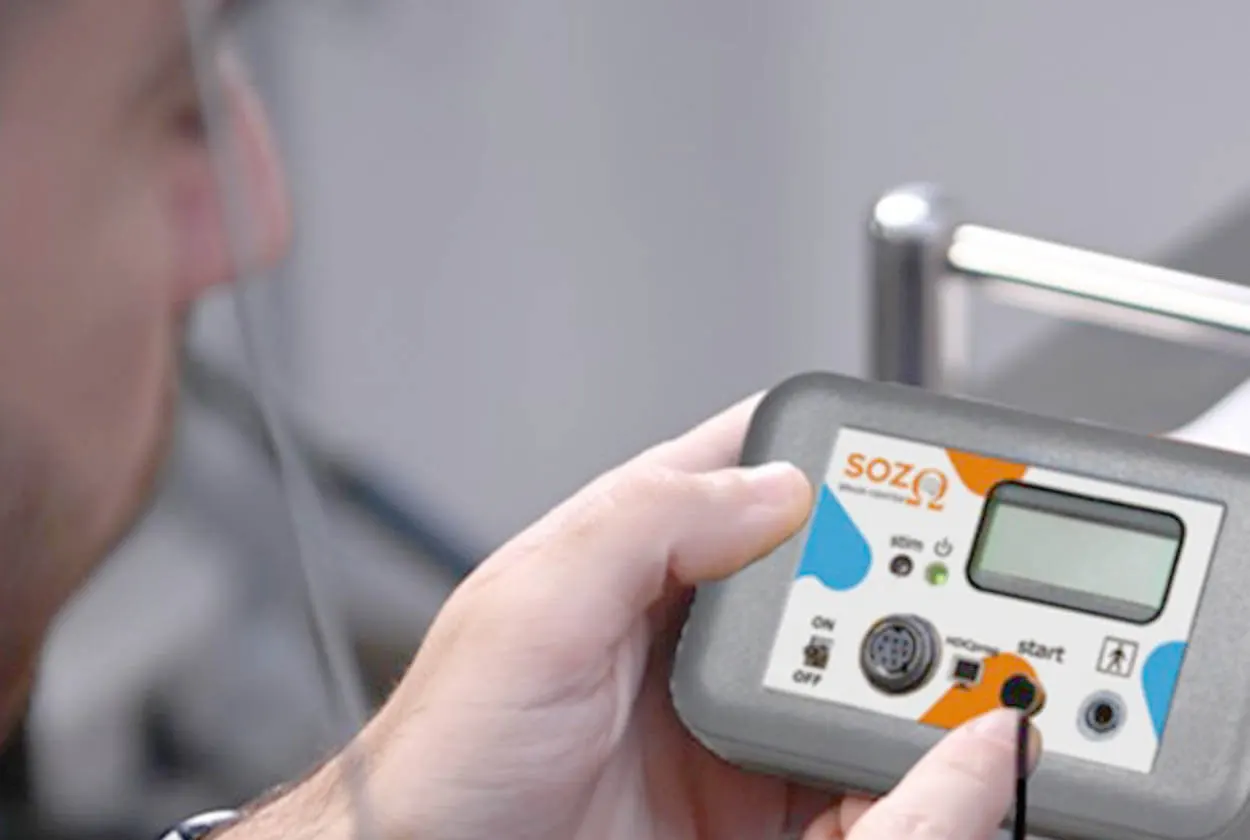
Your brain cells communicate using tiny electrical signals. In many neurological, cognitive, and pain-related conditions, these signals can become underactive, overactive, or poorly coordinated.
tDCS works by:
Delivering a very low, constant electrical current (usually 1–2 mA)
Gently encouraging brain cells to become more active or more balanced
Supporting the brain’s natural ability to learn, adapt, and heal (called neuroplasticity)
Think of it like tuning a radio signal rather than forcing the brain to do something.

Most patients describe tDCS as comfortable and easy to tolerate.
You may notice:
You remain awake, alert, and can talk throughout the session.
tDCS is used as a supportive therapy for a wide range of conditions, including:
Your clinician will assess whether tDCS is appropriate for your specific situation.
A typical session includes:
There is no recovery time.
Yes. When delivered by trained professionals, tDCS is considered very safe.
Key safety points:
tDCS is not electroconvulsive therapy (ECT) and does not cause seizures.
tDCS is frequently paired with:
The stimulation helps the brain become more responsive to therapy, improving outcomes.